Roof, gutter, attic & exterior guides
Straight answers for the roof over your head
Practical roof, gutter, attic, and exterior guides for US homeowners. Find the cause of a leak, compare materials and costs, and know which jobs are safe to do yourself and which belong to a licensed roofer.
- Ladder and roof safety steps checked against OSHA guidance
- Code notes based on the International Residential Code
- Clear stop points that tell you when to call a pro
Start with your problem
Which part of the house needs attention?
Pick the area that matches your project. Each hub collects the repair, material, and cost guides for that part of your home.
Roof Repair & Leaks
Find where the water gets in, fix flashing and shingles, and know when a patch is enough.
Repair guidesRoofing Materials
Asphalt, metal, tile, slate, and flat roof systems compared on lifespan, weight, climate fit, and upkeep.
Compare materialsRoof Replacement & Costs
What drives the price of a new roof, how to read a quote line by line, and how to vet a roofer.
Cost guidesGutters & Drainage
Gutter sizing, cleaning, guards, and downspouts that move water away from your foundation.
Gutter guidesAttic & Ventilation
Intake and exhaust vents, insulation, ice dams, and attic moisture explained in plain language.
Attic guidesSiding, Windows & Doors
Siding options, window and door replacement, and sealing the gaps that let in water and drafts.
Exterior guidesStorm & Weather Damage
Hail, wind, and snow damage: what to check first, how to document it, and how to prepare.
Storm guidesHow we work
Who writes these guides, which sources we trust, and how we handle corrections.
About Solid Roof CraftFresh from the workshop
Latest guides
- Standing Seam Metal Roof: Types, Cost, Lifespan, Pros
 How a standing seam metal roof works, what drives its cost per square foot, and how it compares with asphalt shingles and screw-down metal.
- Fascia Board: What It Is, Signs of Rot, Replacement
 A fascia board caps the rafter ends and carries the gutter. Learn how it differs from the soffit, which material holds up, and when rot means replacement.
- Board and Batten Siding: Materials, Cost and Downsides
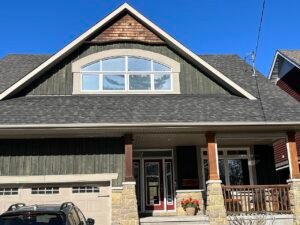 Board and batten siding comes in fiber cement, vinyl, composite, wood and metal. Here is how each material holds up, what drives the cost, and where the seams cause trouble.
Roof Repair & Leaks
Stop the leak, then fix the cause
Leak tracing, flashing, shingle repairs, and the signs that a repair is no longer enough.
Roofing Materials
Pick the roof that fits your climate
Honest comparisons of shingle, metal, tile, and low slope systems, including where each one falls short.
- Standing Seam Metal Roof: Types, Cost, Lifespan, ProsHow a standing seam metal roof works, what drives its cost per square foot, and how it compares with asphalt shingles and screw-down metal.
Roof Replacement & Costs
Know the price before the quote
What goes into a replacement bid, which line items matter, and the questions to ask before you sign.
Gutters & Drainage
Move water off and away
Gutters, guards, downspouts, and grading that keep rain out of your fascia, basement, and foundation.
Attic & Ventilation
A dry attic protects the whole roof
Balanced ventilation, insulation, and air sealing to prevent ice dams, mold, and early shingle wear.
Siding, Windows & Doors
Seal the rest of the shell
Siding, trim, windows, and exterior doors: what to repair, what to replace, and how to keep water out.
- Fascia Board: What It Is, Signs of Rot, ReplacementA fascia board caps the rafter ends and carries the gutter. Learn how it differs from the soffit, which material holds up, and when rot means replacement.
- Board and Batten Siding: Materials, Cost and DownsidesBoard and batten siding comes in fiber cement, vinyl, composite, wood and metal. Here is how each material holds up, what drives the cost, and where the seams cause trouble.
Storm & Weather Damage
After the storm, before the claim
Safe damage checks from the ground, photo documentation, temporary protection, and storm season prep.
How we research
Built on sources with something to lose
Roof work involves ladders, heights, and big invoices, so we check our guides against public agencies, building codes, and independent research instead of sales pages.
Federal agencies
energy.gov for insulation, attics, and windows. FEMA and Ready.gov for storms, hurricanes, and snow. OSHA for ladder and fall safety. EPA for asbestos, lead, and mold.
Building codes
Freely readable pages of the International Residential Code from the ICC, plus state and local building departments.
University Extension
Extension programs at US universities on attic ventilation, ice dams, moisture, insulation, and storm preparation.
Independent research
Technical guidance from NRCA and storm, hail, and wind research from IBHS, used to add detail, never to replace an agency or code source.
- Start with the real questionEach guide answers what homeowners actually search for, from a dripping ceiling to a confusing quote.
- Check it against primary sourcesSafety steps follow OSHA, and code references point to the IRC or your local building department.
- Mark the stop pointsSteep, high, wet, or damaged roofs are jobs for a licensed and insured roofer, and we say so plainly.
- Leave out the noiseNo manufacturer marketing, contractor sales pages, shops, or forums. Found an error? Tell us and we fix it.
Not sure where to start?
Read who writes these guides and how we test advice before it goes live, or send us the question you want answered.